Back
How to Use LMS Data to Improve Training Performance
Turn your training data into decisions that actually move the needle

Organisations across industries are increasingly relying on data to drive informed decision-making and improve performance.
In the realm of learning and development, leveraging Learning Management System (LMS) data has emerged as a pivotal strategy for optimising training outcomes and enhancing the learning experience.
According to a report by IBM, companies that invest in employee training are seen as top performers, with 84% of employees feeling they receive adequate training. This statistic underscores the significance of investing in employee training and highlights its positive impact on employee satisfaction and organisational performance.
Harnessing the Power of Data
Collecting Relevant Data: Define key performance indicators aligned with organisational learning goals, such as completion rates, assessment scores, and learner engagement metrics.
Uncovering Insights: Utilise learning analytics tools within the LMS to analyse learner behaviour, identify patterns, and reveal trends.
Personalising Learning Experiences
One of the most significant advantages of leveraging LMS data is the ability to personalise learning experiences.
By analysing learner engagement metrics and progress, organisations can identify the most effective learning pathways different learner profiles. This personalised approach increases learner engagement and motivation, ultimately leading to improved performance.
Measuring Effectiveness and ROI
Assessing Training Effectiveness: Analyse completion rates, assessment scores, and post-training performance metrics to determine whether training initiatives are achieving desired outcomes.
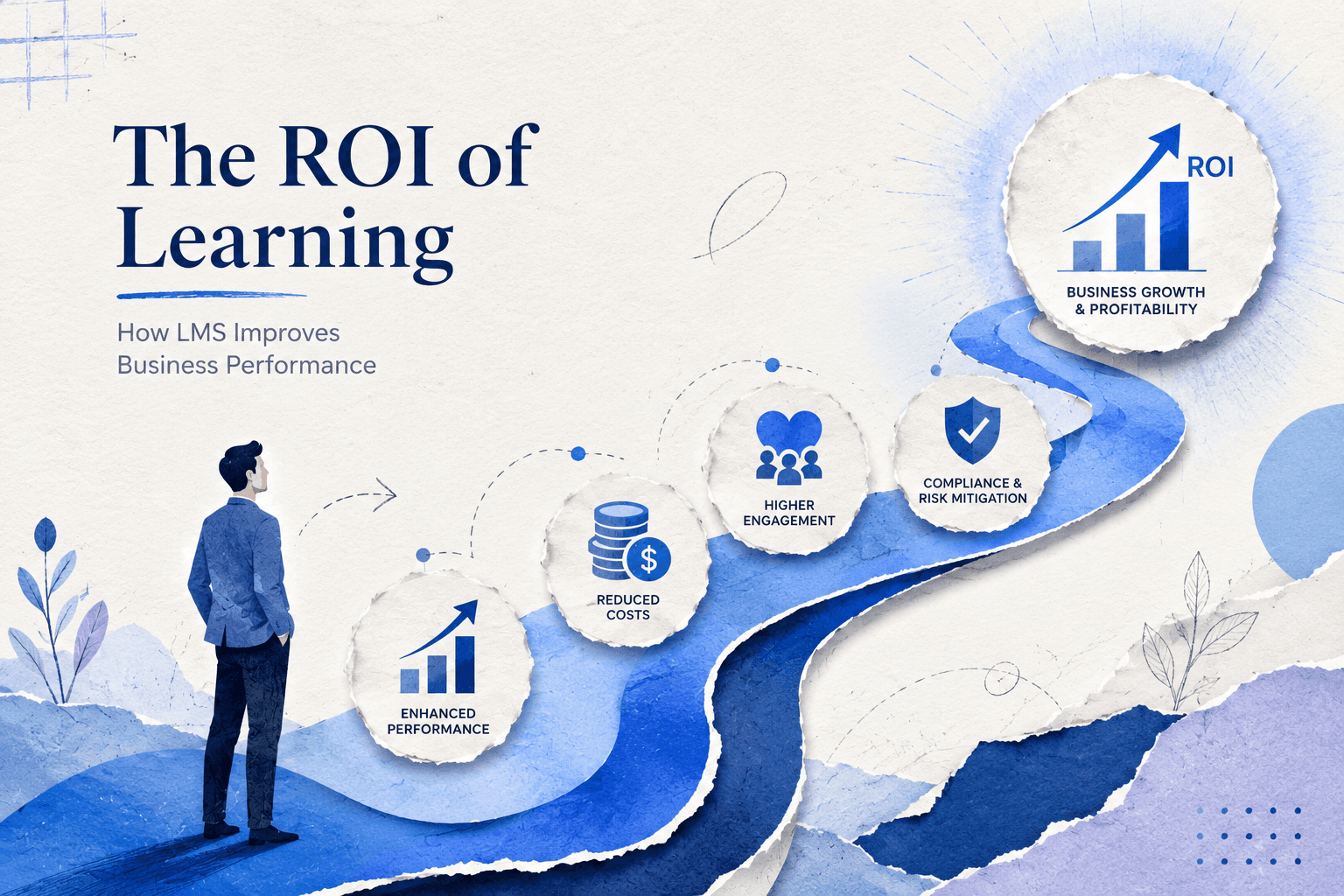
Calculating ROI: Assess the return on investment (ROI) of training programs by measuring direct metrics such as improved performance and indirect benefits such as increased team member engagement.
Continuous Improvement
The journey doesn't end with data collection and analysis; it's an ongoing process of continuous improvement.
Regular monitoring and analysis of LMS data allow organisations to identify emerging trends, gather feedback from learners, and make informed decisions. This iterative approach ensures that learning and development initiatives remain relevant, effective, and aligned with organisational objectives.
How Sodium Learn Puts This Into Practice
For many L&D and HR teams, the challenge isn't just understanding the value of data. It's having the right platform to collect, surface, and act on it without juggling multiple disconnected tools.
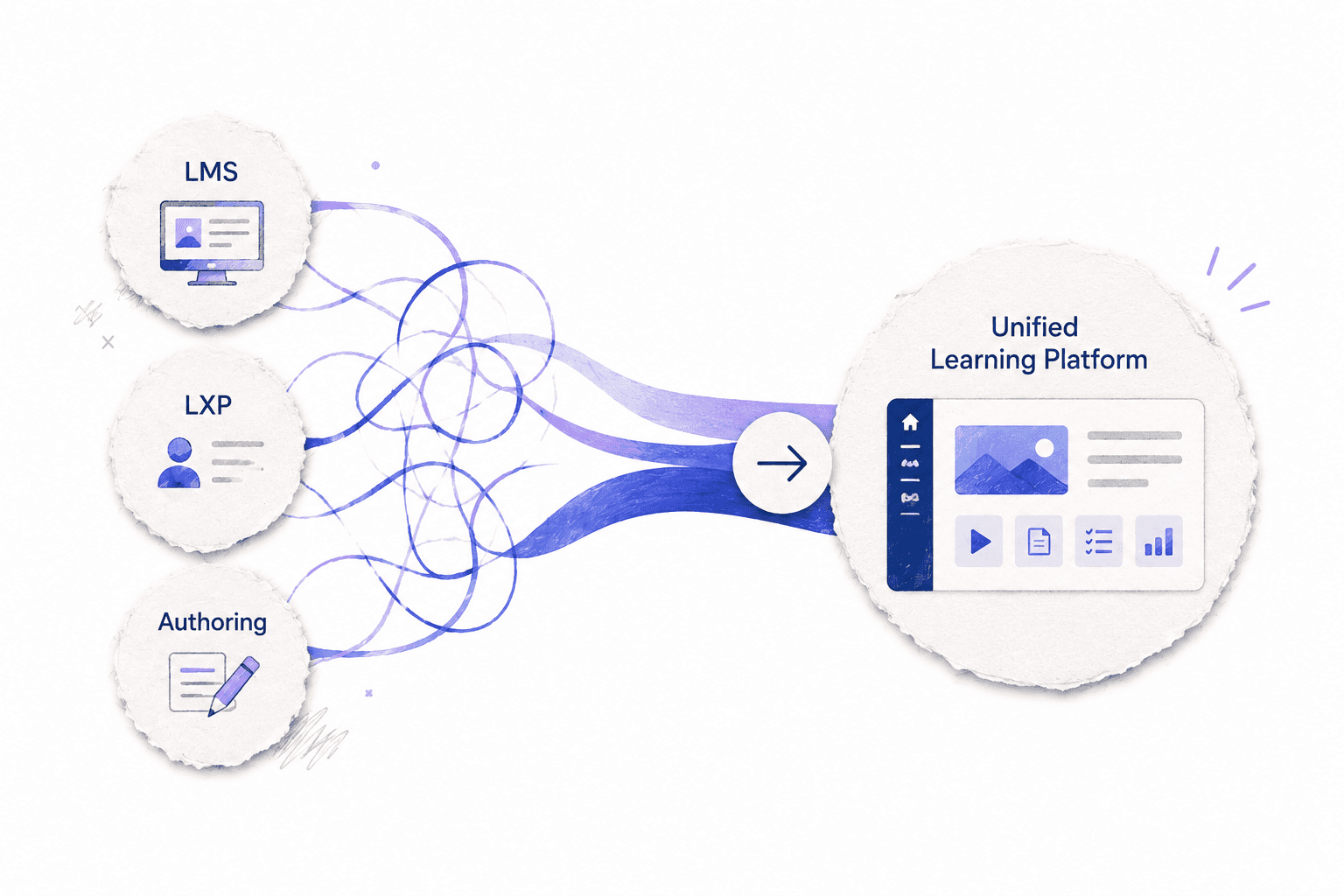
Sodium Learn is purpose-built to replace the traditional LMS + LXP + authoring tool stack. Rather than patching together spreadsheets, SharePoint folders, and a legacy system, Sodium Learn brings authoring, administration, enrolment, and learner delivery into a single platform — giving teams a unified view of their learning data from day one.
Key capabilities that support a data-driven L&D approach:
Compliance-first architecture — built for distributed, compliance-driven teams who need auditable completion records, not just course libraries.
Enrolment and assignment tracking — assign, track, and report on training across teams and groups without manual admin or spreadsheet wrangling.
Unified learner progress — a single learner record across all content types means clean, consistent data for reporting and analytics.
AI-ready from the start — AI is built into the platform from the ground up, enabling smarter workflows and content creation, not retrofitted as an afterthought.
Built for three users — Admins, Creators, and Learners all work within one coherent system, eliminating the data silos that fragmented stacks create.
Sodium Learn's approach aligns directly with the principles outlined above: collect relevant data, personalise learning paths, measure effectiveness, and continuously improve — all without the operational overhead of managing a multi-tool stack.
Conclusion
Leveraging LMS data for performance improvement is not just about collecting numbers; it's about making informed decisions that drive meaningful change.
By collecting, analysing, and acting upon learning analytics, organisations can unlock valuable insights, identify areas for improvement, and optimise learning experiences. Embracing data-driven decision-making is the key to unlocking the full potential of your LMS and driving continuous performance improvement across your organisation.
Shihab Alii
Co-Founder & Marketing at Sodium Learn
Shihab leads Marketing, Brand & Growth initiatives. He helps shape the company's positioning, communication, and audience engagement strategies, combining experience in digital marketing, customer experience, and research. With a degree in Biomedical Sciences and Optometry, Shihab brings a unique blend of healthcare, analytical, and people-focused expertise gained through roles across healthcare.
Latest posts
Discover other pieces of writing in our blog